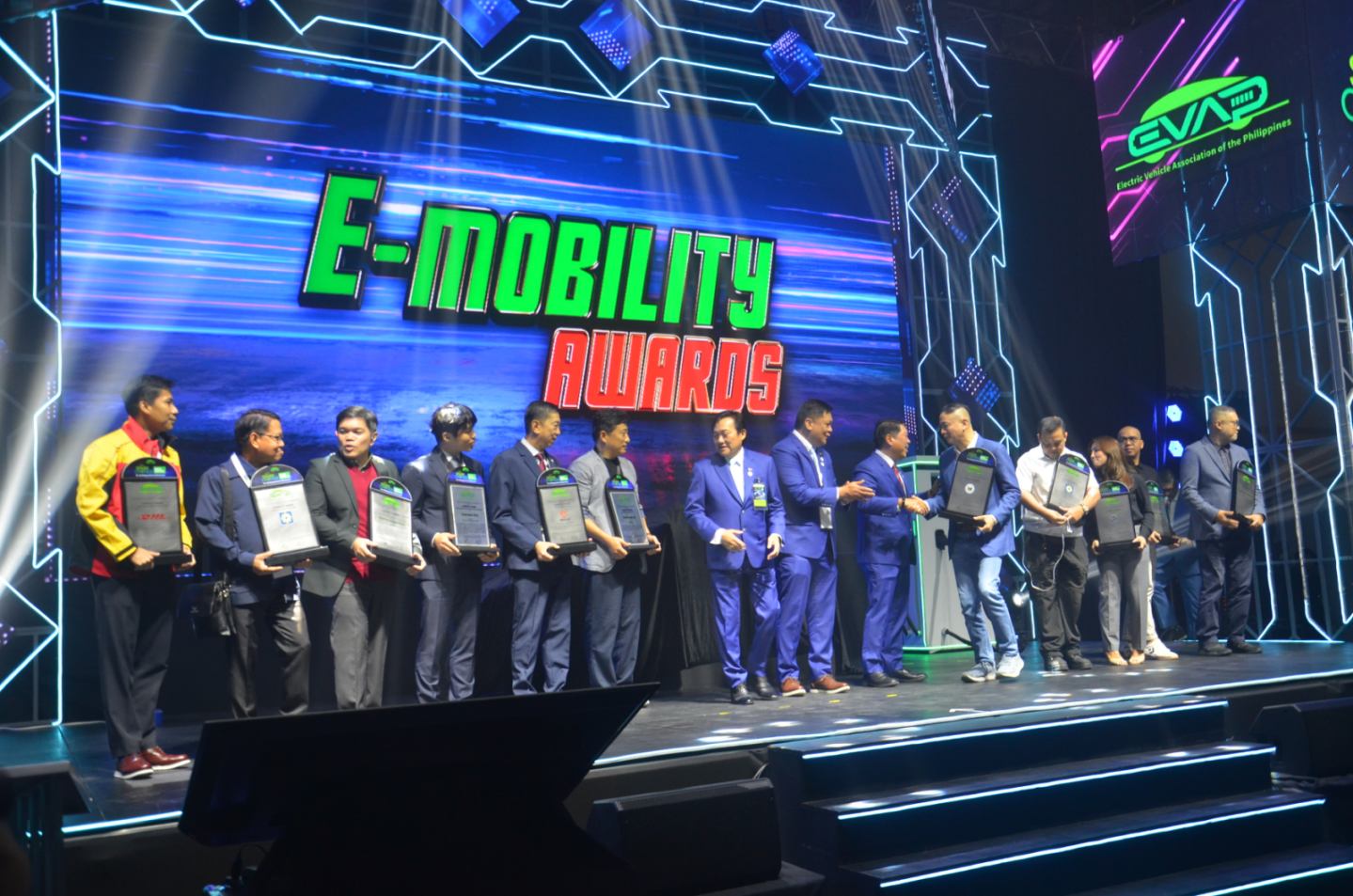

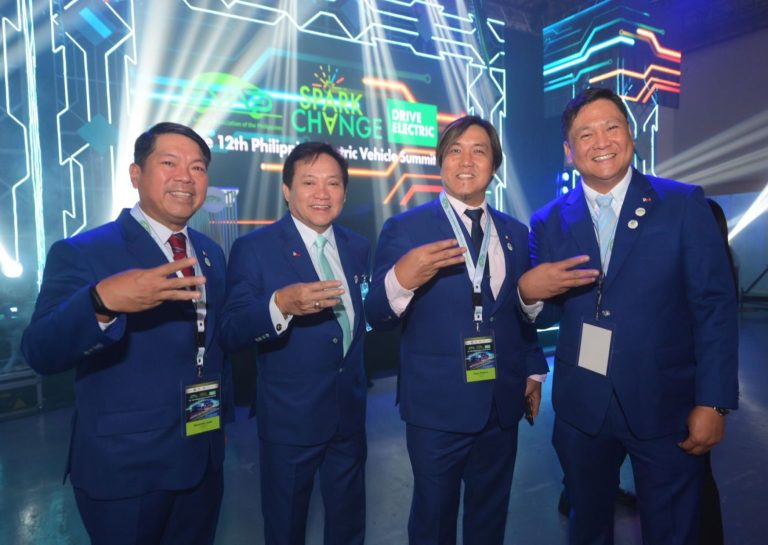
In August 2009, Nissan launched the LEAF, the first mass-market electric vehicle (EV) designed for zero emissions, marking a turning point in automotive history. That same year, the Electric Vehicle Association of the Philippines (EVAP) was founded—emerging as a pioneering voice in Southeast Asia’s growing EV sector. While Nissan’s LEAF represented innovation in vehicle design, EVAP symbolized a commitment to creating a supportive ecosystem for electric mobility in the Philippines.
EVAP’s vision has always centered on the wide-scale adoption of electric vehicles, enabled by national policy support, charging infrastructure, and public awareness. Though the EV landscape in 2009 was still nascent, the association initiated early dialogue with both the executive and legislative branches of government, aiming to establish a foundation for a future-ready, low-emission transport system.
To promote industry growth and showcase its members’ offerings, EVAP launched its first public event at the Meralco Gym in 2010. What began as a modest exhibition evolved into the Philippine Electric Vehicle Summit (PEVS)—now a cornerstone of the EV industry calendar in the country. By 2012, the summit had significantly expanded, encouraging participation from global brands and facilitating market entry for EV startups, particularly from China and neighboring markets.
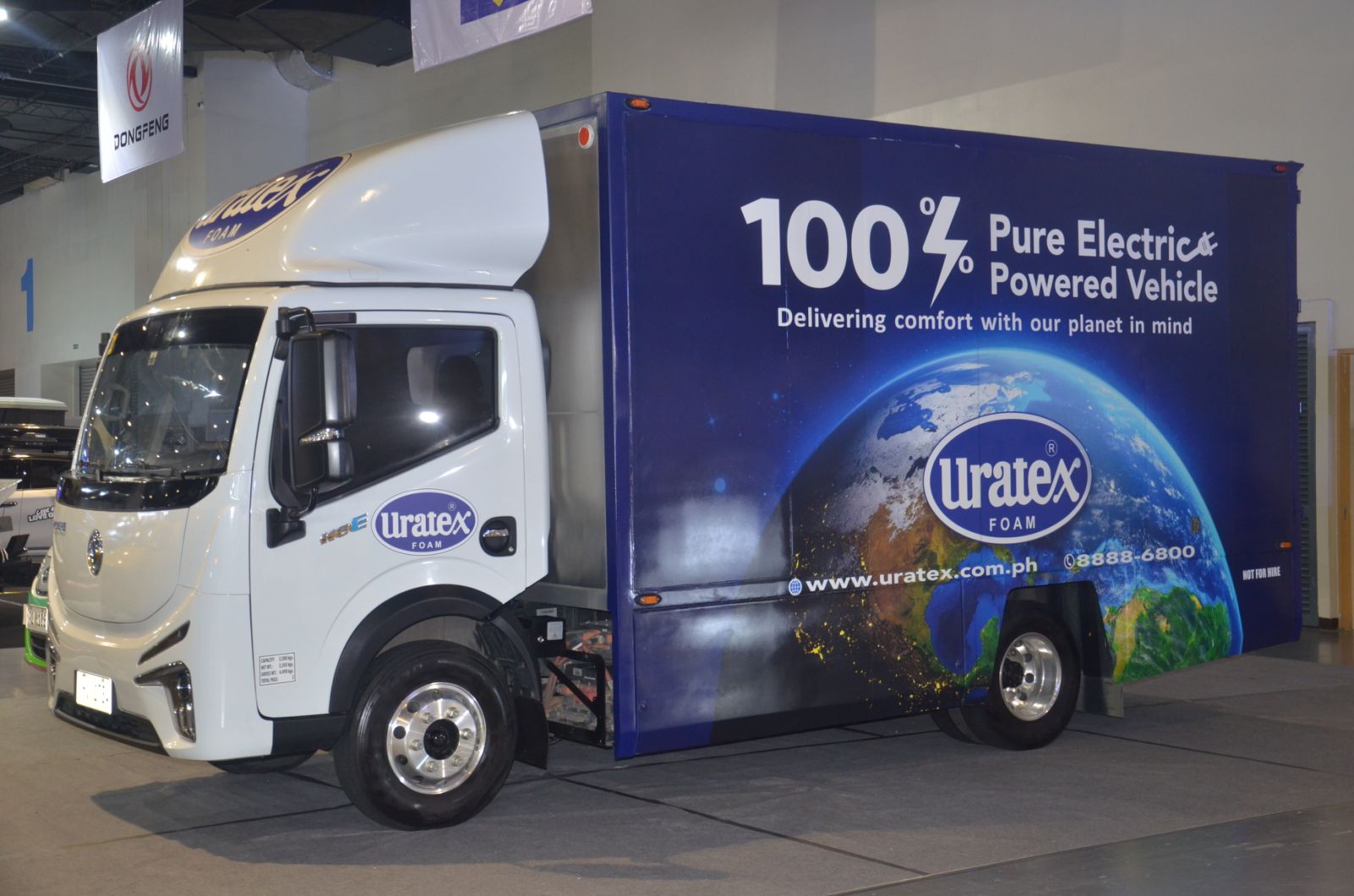
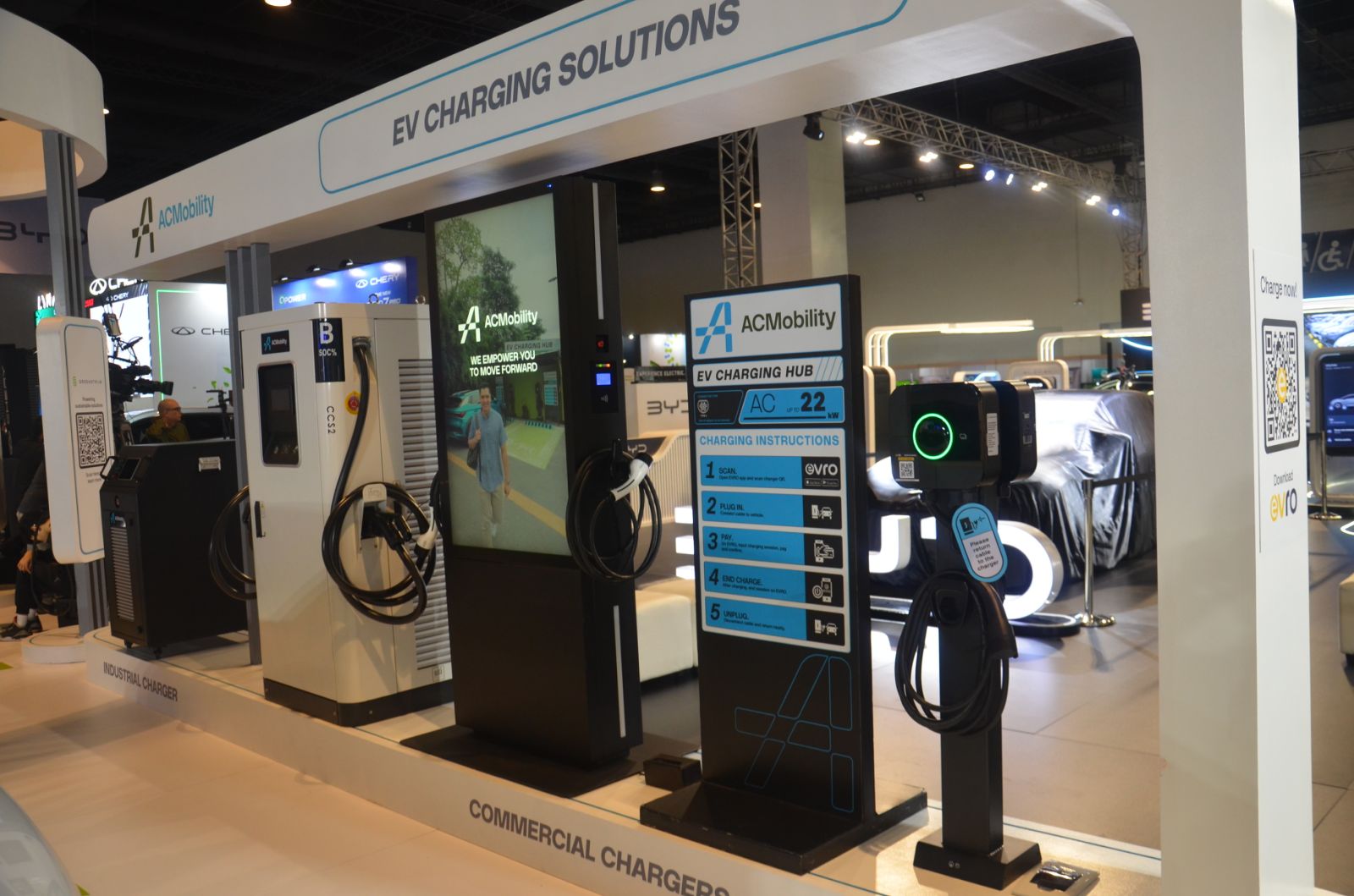
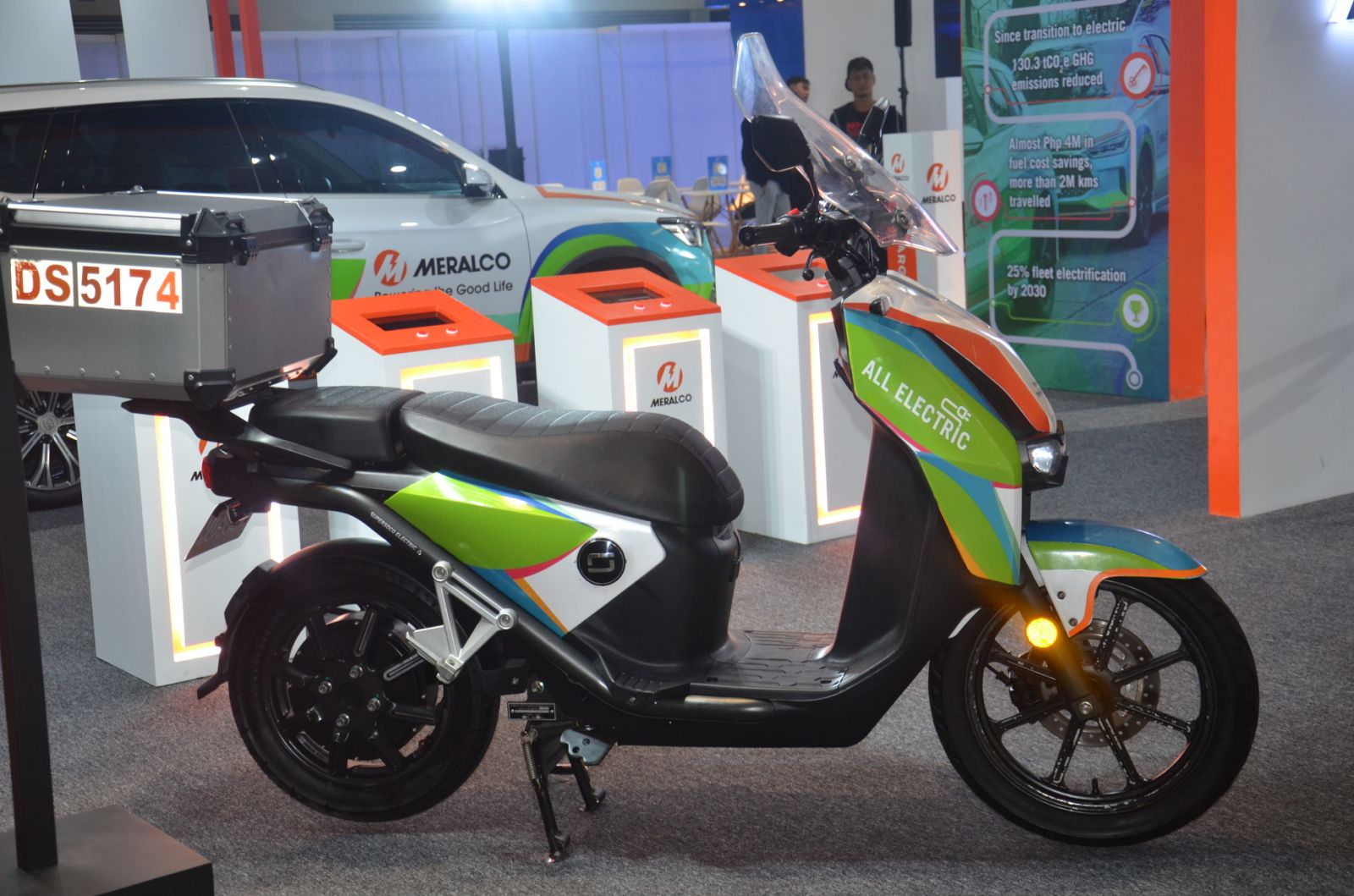
Each successive PEVS has seen increasing support from private stakeholders and government bodies, drawing investors and technology providers to explore opportunities in the Philippines. The 2024 edition at SMX Convention Center was the summit’s largest to date, both in terms of participation and exhibit scale, underscoring the country’s momentum in electrified transport.
EVAP has also been instrumental in advancing legislation. In 2022, the Electric Vehicle Industry Development Act (EVIDA) was enacted—thanks in large part to EVAP’s advocacy. EVIDA paved the way for expanded infrastructure and industry incentives. Complementary policies, such as Executive Orders 12 and 62, the TRAIN and CREATE laws, and the Comprehensive Roadmap for the Electric Vehicle Industry (CREVI), have further enabled the ecosystem’s growth.
Today, the Philippines is home to 922 operational EV charging points and 147 accredited providers. Investments totaling nearly P2 billion have led to the creation of over 10,000 new jobs. A further P1 billion has been committed to developing local manufacturing capacity for EVs, batteries, and raw materials, especially nickel processing—critical for battery production.

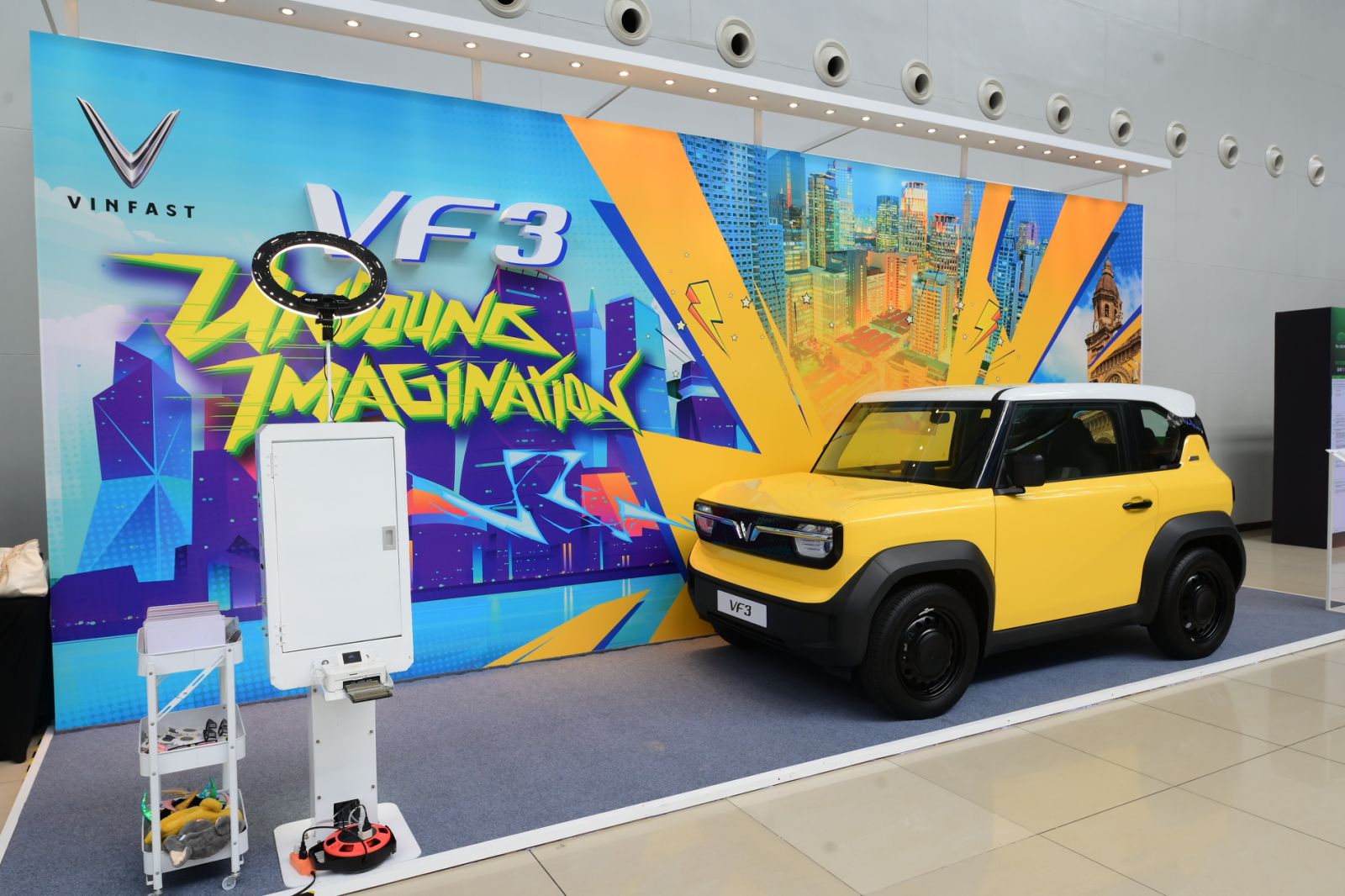
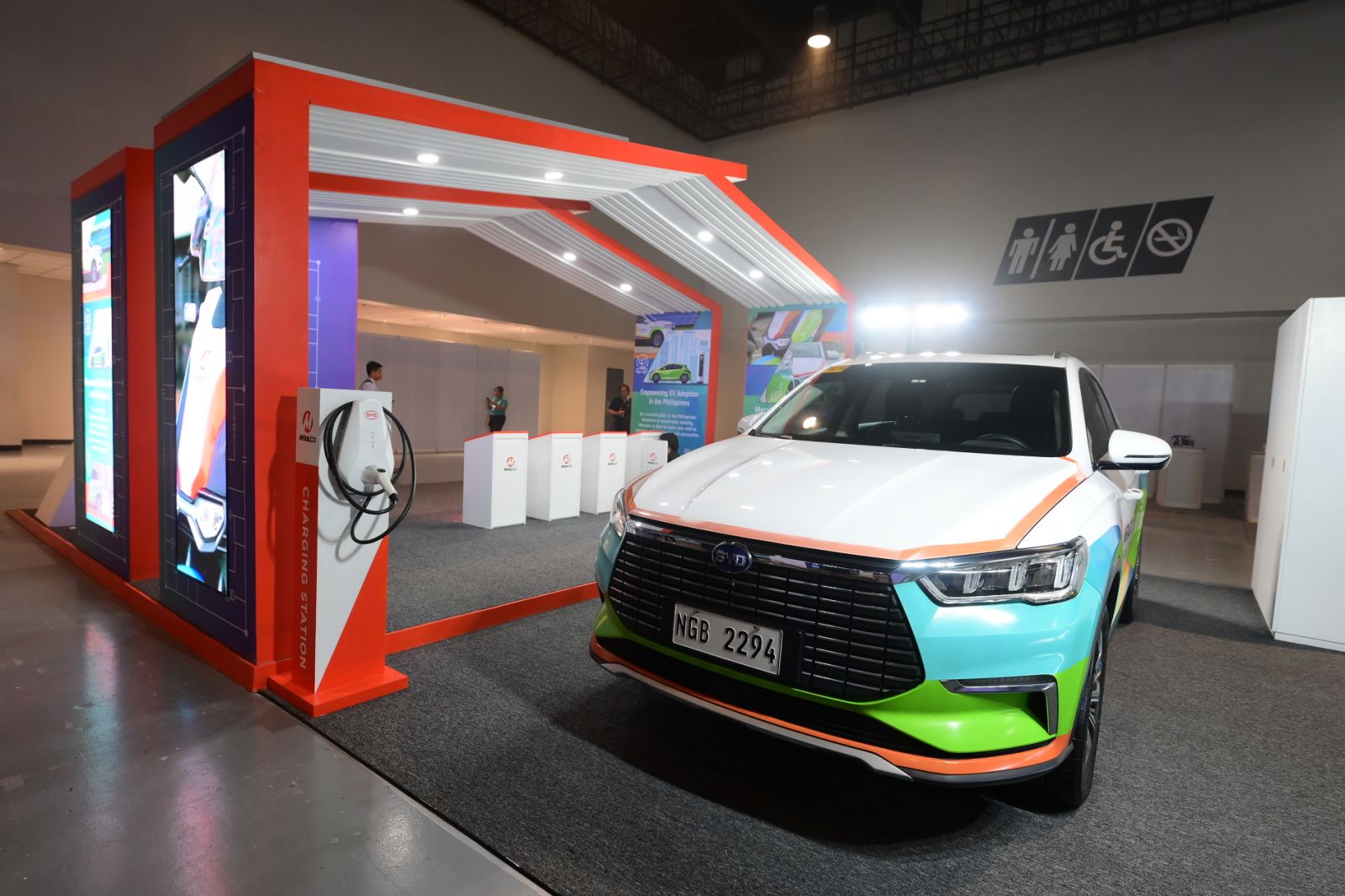
Looking beyond infrastructure and legislation, EVAP is actively expanding into EV motorsports. Plans are underway for an all-electric racing series, including driver training workshops that focus on the distinct performance characteristics of electric drivetrains. Long-term goals include hosting an ABB FIA Formula E race in the country—an initiative aimed at stimulating tourism, inspiring innovation, and spotlighting sustainability.
With a growing base of 88 active member-companies and strong academic partnerships with seven universities, EVAP continues to build momentum. The organization is preparing to recognize excellence across the industry with a forthcoming awards program. These initiatives will be presented at the 13th Philippine Electric Vehicle Summit, taking place from October 23 to 25, 2025, at the SMX Convention Center in Pasay City.
From early advocacy to industry leadership, EVAP remains firmly committed to a future where electric vehicles are the norm—and where the Philippines stands as a regional leader in sustainable mobility.