




Wipers play a vital role in road safety. Whether they come in pairs or as a single large blade—depending on the vehicle type or model—wipers help maintain a clean, unobstructed view of the road, especially during harsh weather. They’re also useful for clearing off dirt and debris from the windshield.
But like any other part of your car, wipers need attention, too. They wear out over time and eventually need replacing. So, how do you know when it’s time? Thankfully, your vehicle will usually give you signs—you just need to be attentive enough to catch them. Spend some time with your ride, turn the wipers on, observe, listen, and feel for the following indicators.
How to know when your wipers need maintenance or replacing
Grinding noise – If you hear a grinding or squealing sound when the wipers are in motion, that’s a strong clue. It usually means the rubber blade—yes, the long strip that touches the windshield—is starting to chip or has gone brittle.
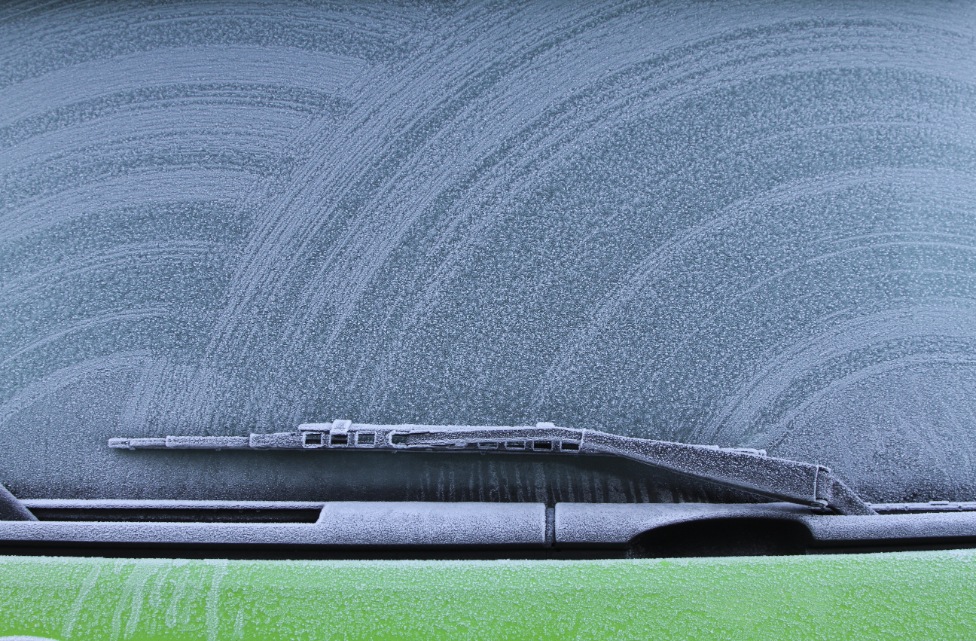
Visible streaks or residue – Another obvious sign: streaks of water or bits of residue left behind after each swipe. Sometimes, this can be fixed with a thorough cleaning of the blade and the wiper arm. But if you’re still seeing streaks after cleaning, it’s likely time to replace the blades.
Vibration – If you feel an odd vibration each time the wipers pass over the windshield, that could mean the blades are uneven or worn. In some cases, it may also indicate an issue with the wiper assembly itself.
So, you need new wipers. Now what?
The good news is that wipers are among the few parts in many vehicles that are still straightforward and easy to maintain. Here’s how you can replace them yourself.
How to replace wipers
Measure the old blades – First, find out the correct blade length for your car. Different vehicles have different specs, even across models of the same brand. Use a ruler or tape measure, and write it down. If you’re unsure, snap a clear photo of the blade assembly along with your car so the auto parts store staff can help you find the right replacement.
Buy new blades – Once you know the size, head to your go-to auto supply store. Share your notes, show the photos, or simply tell them the make, model, and variant of your car. They’ll usually have compatible replacements in stock.
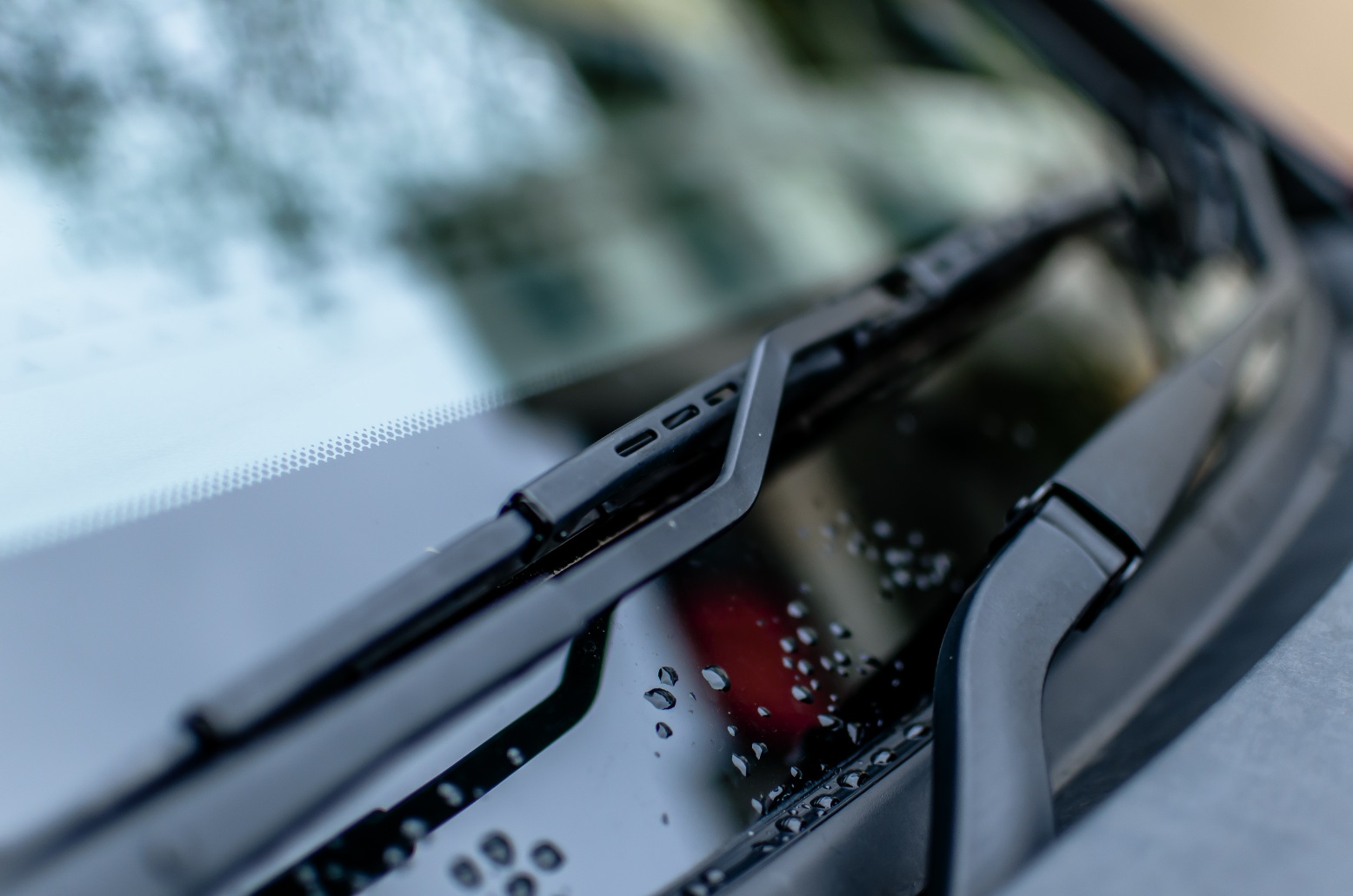
Remove the old blades – This part is fairly simple. Identify the two parts of the wiper: the arm, which is attached to the windshield base, and the blade assembly, which is what you’ll be replacing.
Lift one of the wiper arms gently—be careful as it might spring back and hit the glass. Rotate the blade perpendicular to the arm, forming a “T” shape. Look for a small release tab near the hook where the blade connects to the arm. Press the tab and slide the blade downward to detach it. Repeat for the other wiper.
If your wiper uses a pin-type connector instead of a hook, press the locking tab, then pull the assembly away from the pin to release it. The same process applies to rear wipers if your vehicle has one.
Attach the new blades – Installing the new blade is basically the reverse of removing the old one. Align the blade to the hook and pull it up until it clicks into place. For pin-type assemblies, insert the pin through the hole in the blade and wait for the click that confirms it’s locked in. Repeat for the other side and the rear wiper if needed.
Test it out – After installation, turn the wipers on and cycle through the speed settings. If it’s not raining, spray some washer fluid or pour water over the windshield. The wipers should move smoothly without squeaking, skipping, or leaving streaks behind. If everything checks out, you’re good to go.

Wipers may seem like a small detail, but they make a big difference. Whether it’s sunny, rainy, or somewhere in between, having a set of clean, functioning wipers says a lot about how much care a car owner puts into road safety.
These days, cars come with all sorts of sensors and alerts to keep drivers aware of their surroundings. Still, nothing beats a sharp pair of human eyes—and a clean windshield goes a long way in helping those eyes see clearly.
