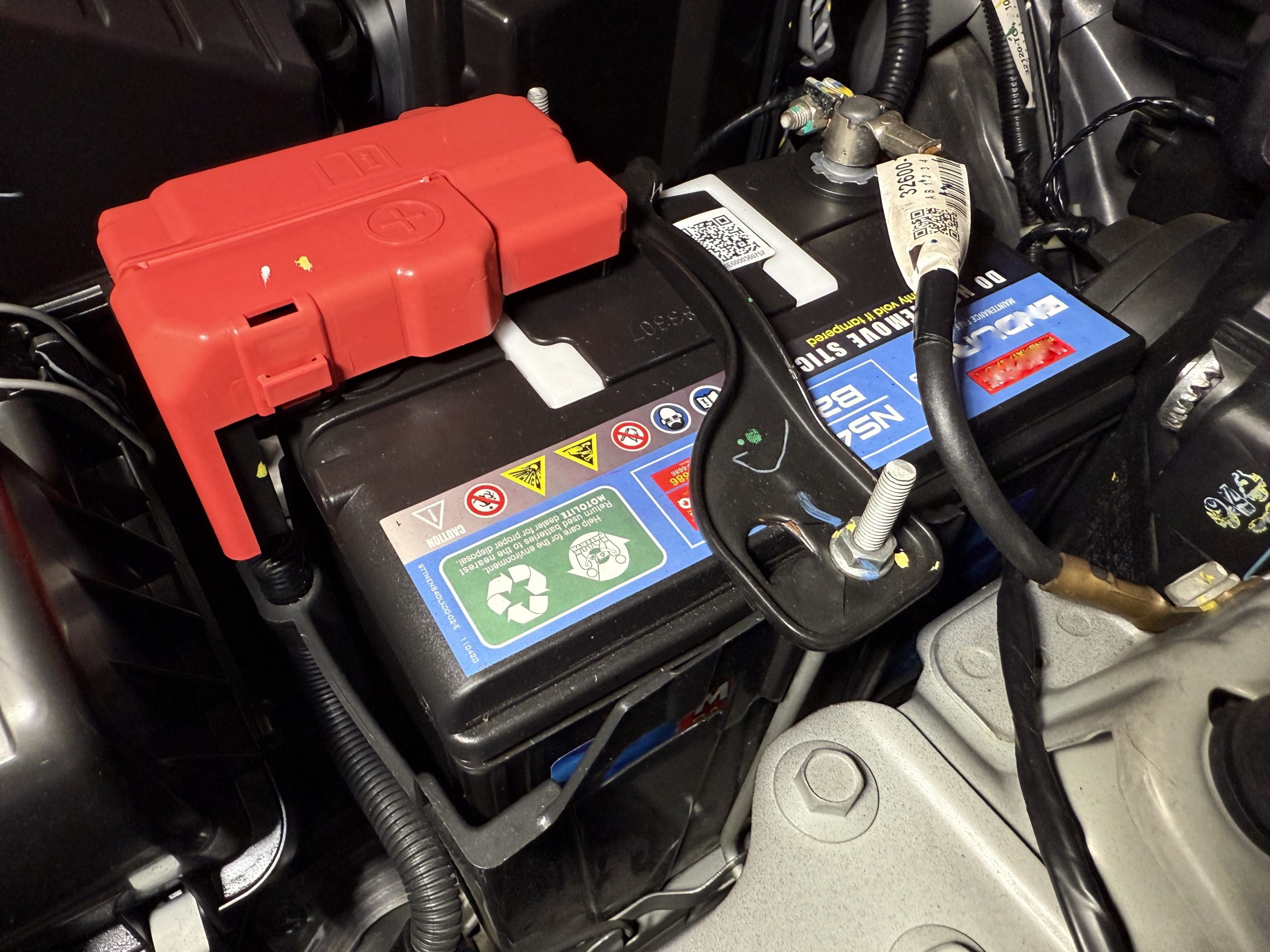

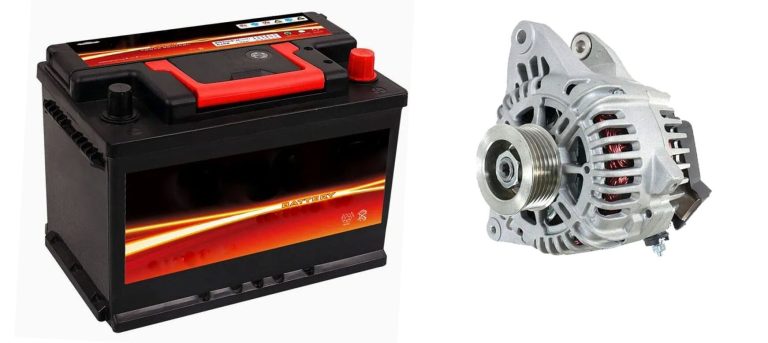
Without diving too deep into technical terms, a car’s battery and alternator work hand in hand to get the vehicle started, keep it running, and make sure it can start again without trouble. But how exactly do they work, and why are both equally important?
It begins with a twist of the key or a press of the Start button. This sends a surge of power from the battery to the starter motor, which cranks the engine and activates the alternator. Once the engine is running, the alternator takes over by powering various electrical systems and recharging the battery for the next start.
But what happens if either the battery or alternator starts to fail? Would you be able to tell?
If you can, that’s great. But if you’re unsure or you’ve been caught off guard, this guide may help you spot common signs of battery and alternator problems. It can also help you explain your concerns better to a professional mechanic.
Signs of a Battery Problem
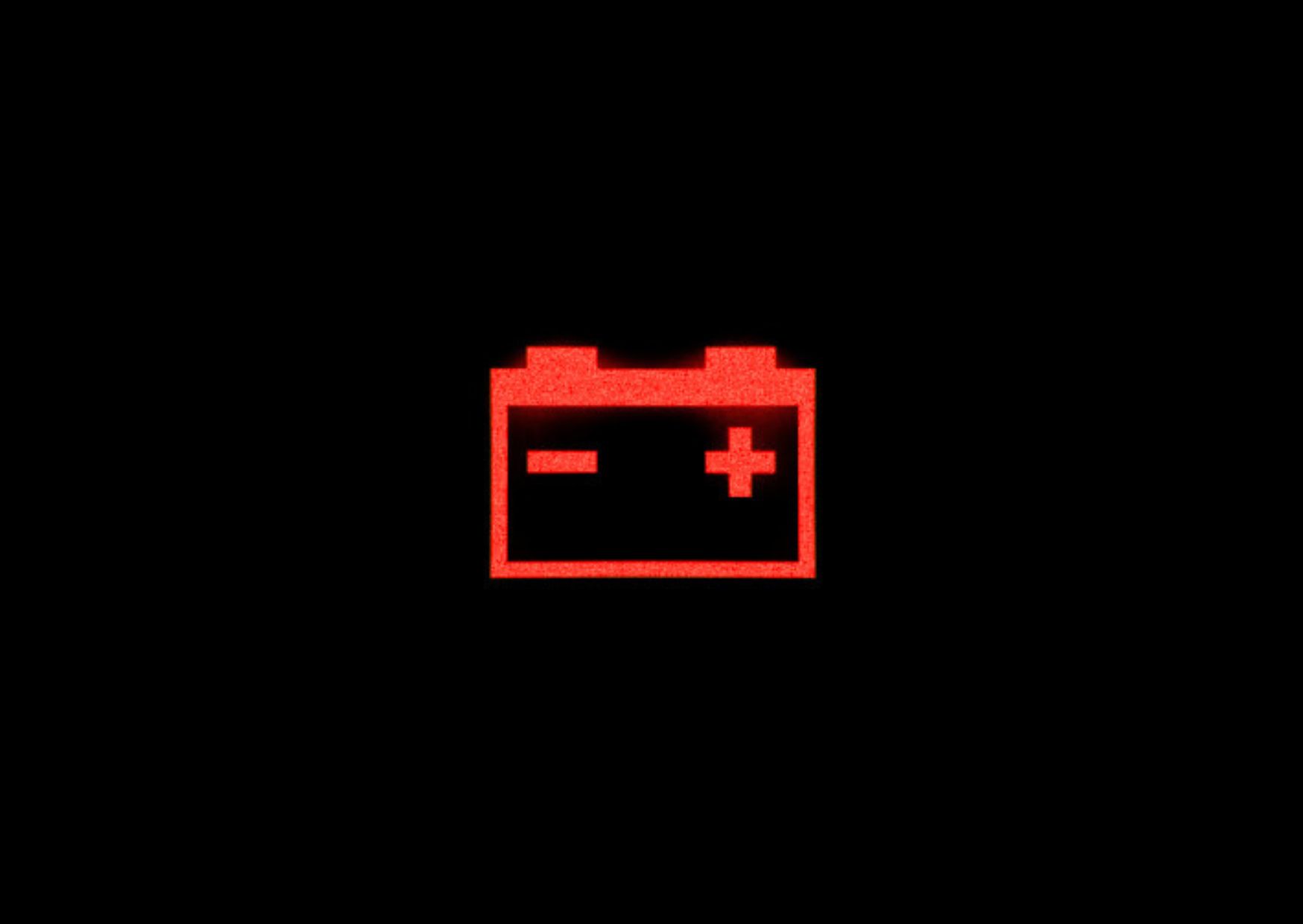
Battery Indicator
In modern vehicles, this typically lights up when the battery isn’t receiving enough current to charge properly, or when it’s not charging at all. Either condition triggers the same warning light.
Corrosion
Make time to open the hood and check the battery. If you notice corrosion—white or bluish powder on the terminals—it’s best to clean it off or ask for professional help. Try jump-starting the car with cables connected to another battery. If the engine runs but won’t restart after shutting off, the battery might not be holding a proper charge from the alternator.
Accessories Not Working Properly
Switch to Accessory Mode (when the engine is off but electronics are on). Test items like the radio, wipers, fans, and lights. If they flicker, work poorly, or don’t turn on at all, the battery may be weak or nearing the end of its life.
Dim Dashboard or Instrument Panel Lights
Because we see them often, dim or flickering dashboard lights can go unnoticed. But if you spot this while in Accessory Mode, it could be a sign that your battery is struggling.
Car Starts Then Shuts Off Immediately
Several things can cause this, but the battery is a common culprit. In some cases, it may have just enough charge to start the engine but not enough to keep it running.
Swollen or Bloated Battery
Like batteries in phones or other gadgets, car batteries can also swell. Overcharging—often caused by a faulty alternator or voltage regulator—can cause the battery to bloat. If the battery case is bulging, it needs to be replaced. Using a swollen battery can lead to more serious problems.
Old Battery
When did you last replace your battery? Many car owners don’t keep track. Most batteries last between 3 to 5 years. Even if your car seems fine, it’s wise to follow the manufacturer’s guidelines and keep a record. Replacing an old battery in time helps prevent breakdowns and other damage.
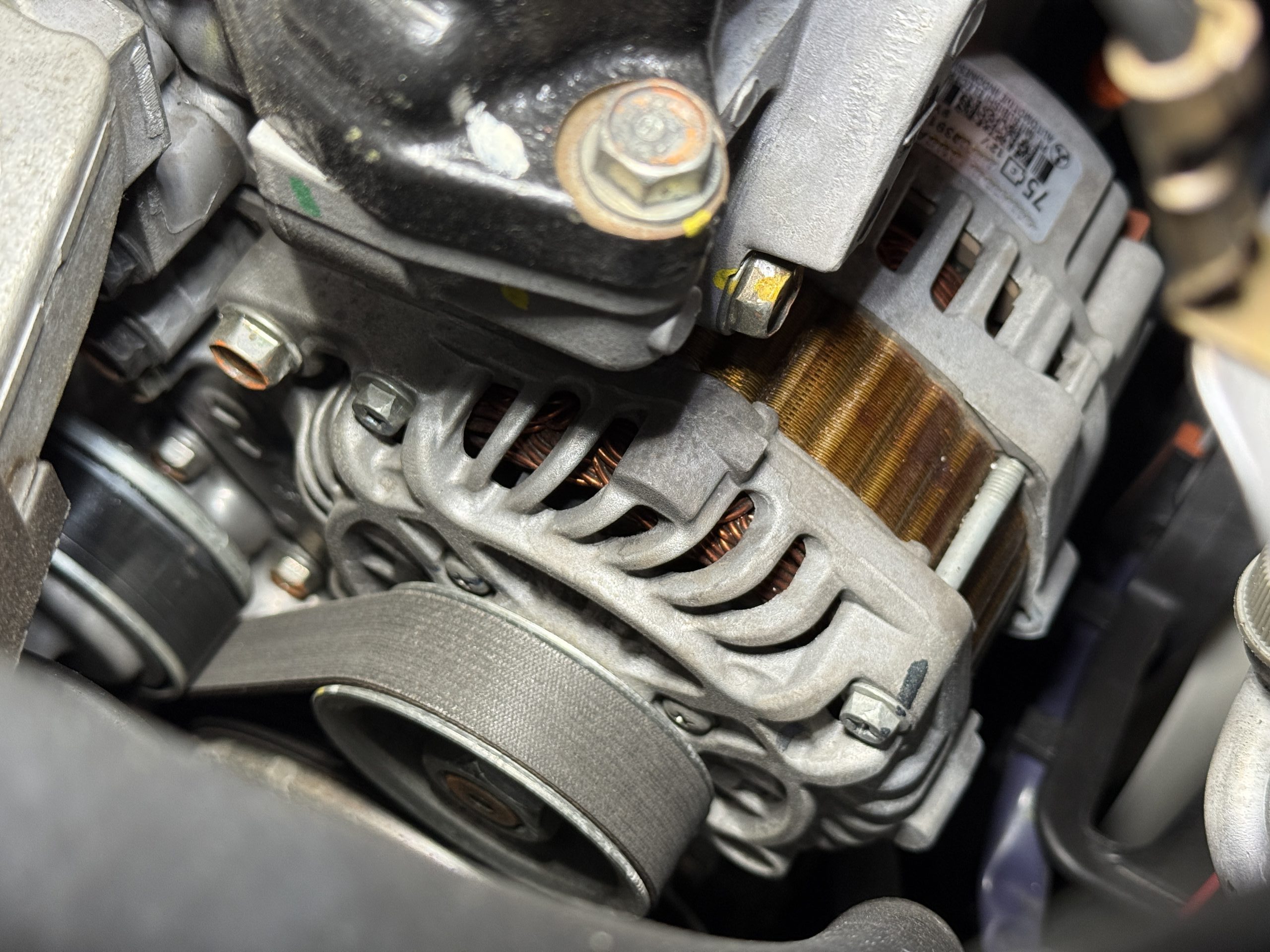
Signs of Possible Alternator Issues
Have the Alternator Tested
If you know how to check your alternator, that’s great. But it’s always safer to let a professional do it. They can also check if the battery is contributing to the problem.
Strange Noises During Start or While Running
A grunting or growling noise when starting or while the engine is running can signal a problem with the alternator. This usually shows up before it completely fails, giving you time to act.
Burning Smell
A strong smell like burning rubber or wires often means the alternator is overheating or not working correctly.
Dim Interior Lights or Flickering Headlights
Just like with battery issues, dim or flickering lights can also point to alternator trouble. Watch for headlights that brighten or dim suddenly when you accelerate or slow down.
Keeping an eye out for early signs of battery or alternator trouble is a simple way to take better care of your vehicle. It not only extends your car’s lifespan but also helps keep you and your passengers safe. Staying on top of your car’s condition—beyond just the battery and alternator—can prevent bigger issues and costly repairs down the line.