


Automotive safety has come a long way. Modern vehicles now come equipped with a full suite of safety systems designed to protect not just the people inside, but also pedestrians and fellow motorists.
From multiple airbags that cushion impact during collisions, to systems like Collision Mitigation, Lane Keep Assist, and more—many of today’s safety features have become standard. It’s pretty remarkable when you think about how all of these evolved from the basics, like seat belts and brakes.
But here’s a question: when was the last time you had your brake system checked?
Whether it’s the dry season or the height of the rainy months, your brakes need consistent attention. Just like your tires—which are just as critical—the brakes are your vehicle’s main defense in helping you stop safely and avoid accidents. So how can you tell when it’s time for a brake service?
You might try a quick road test to see if your car stops promptly. If it does, great—but being a responsible car owner means going beyond a simple “Pwede na.” You need to stay ahead of potential problems. Fortunately, your vehicle usually gives you a few warning signs before things get serious. Here are some common red flags:

- Vibration When Braking
If your car shakes or vibrates when you step on the brakes, that’s a sign something’s off. It could mean the brake discs or drums are warped, chipped, or damaged—often from long-term wear or heat from excessive use. - Uneven Braking or Pulling
When your car pulls to one side during braking, that could point to uneven brake pad wear, stuck calipers, or a damaged brake hose. Any imbalance like this should be checked immediately. - Overly Sensitive Brakes
If your vehicle reacts too aggressively even with light pressure on the brake pedal, the braking components might be misaligned or overly worn. Sometimes, a thorough professional cleaning is all it needs; in other cases, it could mean a deeper issue. - Weak Braking Response
On the flip side, if you have to press the pedal harder than usual or the brakes feel sluggish, it might indicate leaking brake fluid or damaged hoses. Either way, it’s a clear sign your braking power is compromised. - Squealing or Grinding Noises
Loud noises when braking are one of the most common—and most ignored—warning signs. If you hear squealing or grinding, chances are your brake pads are worn out and need replacing.

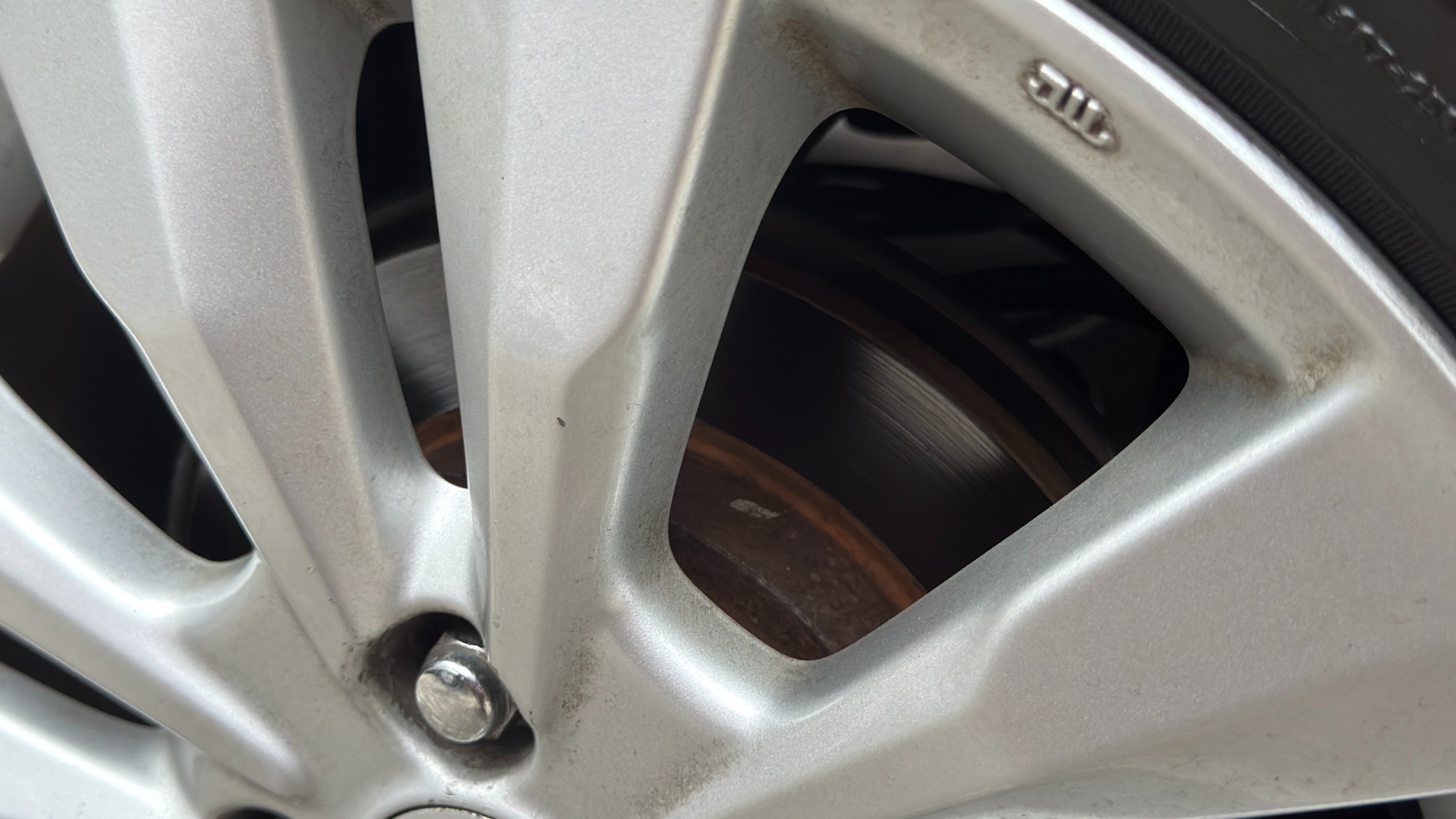
In addition to these physical symptoms, many modern cars have a brake warning light on the dashboard. This usually comes on when the system detects something wrong, such as low brake fluid or other abnormalities.
Another simple but effective habit is keeping track of your vehicle’s Preventive Maintenance Schedule (PMS). A good maintenance record helps you stay ahead of potential brake issues and saves you from bigger headaches down the road.
Today’s cars may be more advanced than ever, packed with electronics and safety tech. But all of that still depends on the basics—especially your brakes. It’s easy to assume the system won’t fail, but what if it does? What if a safe stop depends on whether you’ve been keeping your brakes in top condition?
No matter how high-tech or old-school your ride may be, never underestimate the importance of a well-maintained braking system. Your safety—and the safety of those around you—depends on it.

