


The future of sustainable mobility is in the hands of the next generation of innovators, and the Philippines’ top engineering students are ready to take on the challenge at the Shell Eco-marathon (SEM) Asia-Pacific and Middle East 2025. This prestigious competition, set for February 8-12, will be held in the Middle East for the first time, bringing together the brightest young minds in the region to push the boundaries of energy efficiency.
Three Filipino university teams will compete against the best in Asia-Pacific and the Middle East:
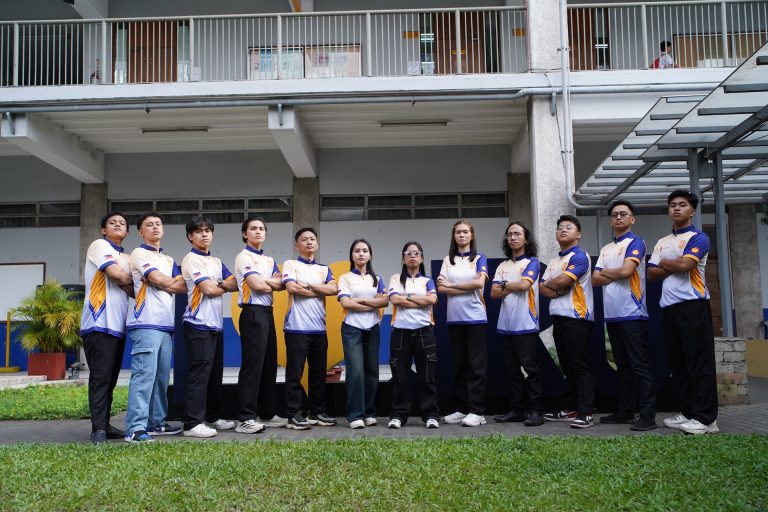
- Team Siklab (Jose Rizal University)
- UMindanao Wildcats (University of Mindanao)
- XU Mekan-Eco (Xavier University – Cagayan de Oro)
These teams are composed of dedicated student engineers who have worked tirelessly to design and build energy-efficient vehicles that could shape the future of mobility.
Meet the Teams Driving Filipino Innovation Forward
- Team Siklab is led by Tim Harold Faisan, a fourth-year BS Electronics Engineering student who also serves as the team’s driver. He is supported by Wilver Georpe as Lead Technical Engineer and Arleen Hibo as Administrative Engineer, both in their final year of Electronics Engineering.
- UMindanao Wildcats is headed by Joe Gene O. Dequilla, a third-year BS Mechanical Engineering student balancing dual roles as Team Lead/Manager and Administrative Engineer. His teammates include Emman Gabrielle Polancos as Lead Technical Engineer and Christonie Lim, a fourth-year Mechanical Engineering student who will take the wheel as their driver.
- XU Mekan-Eco is spearheaded by Quennie Carl R. Cator, a fourth-year BS Mechanical Engineering student, alongside Ryan Fahigal as Lead Technical Engineer and Alain Francis Harun as Administrative Engineer. Their driver, Seith Austin Pagud, is determined to make an impact on the track.
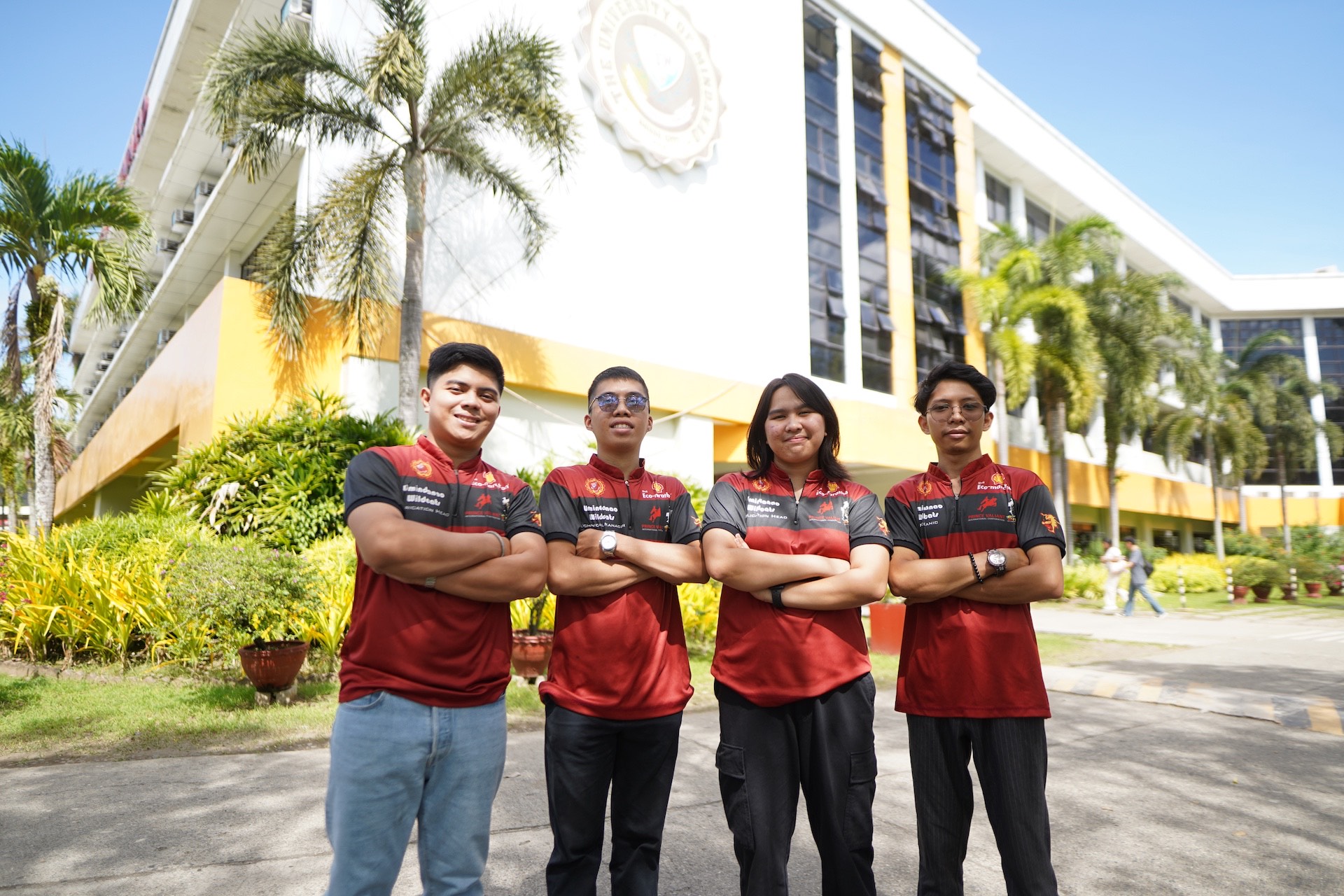
Emman Gabrielle Polancos (Technical Engineer), Christonie Lim (Driver)
Joe Gene Dequilla (Team Manager) Jamael Japson (Mechanic).
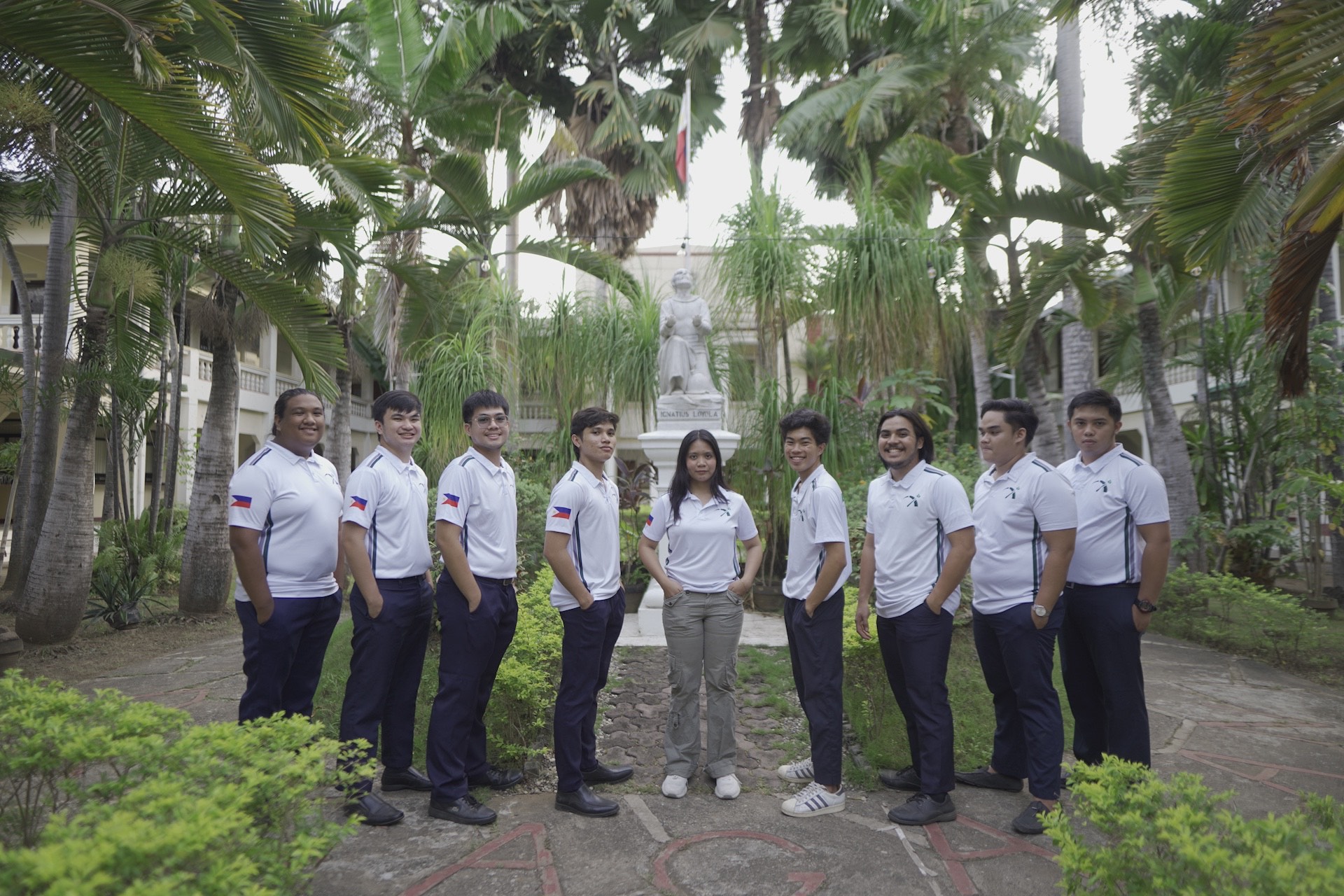
Each of these teams combines experience and fresh talent, proving that Filipino students are a force to be reckoned with in STEM innovation.
What’s at Stake?
The Shell Eco-marathon challenges student teams to develop ultra-energy-efficient vehicles that compete in two main categories:
- Prototype – Focused on futuristic, ultra-lightweight designs.
- Urban Concept – Designed for real-world energy-efficient transportation.
Teams must also select from three energy sources—battery-electric, hydrogen fuel cell, or internal combustion engine—as they push the limits of sustainable engineering.
Serge Bernal, Shell Pilipinas Vice President of Corporate Relations, shared his support:
“We believe in the ingenuity and passion of our student teams. They are not only competing for efficiency but also representing the Philippines in the global effort toward sustainable energy solutions.”
About Shell Eco-marathon
The Shell Eco-marathon is one of the world’s leading student engineering competitions, challenging participants to design and build the most energy-efficient vehicles. It serves as a platform for young innovators to develop practical solutions for the future of transportation while fostering creativity, collaboration, and sustainability.
